Industry
Client
Designing the Olympic Games Paris 2024 Microsite for an Asia Sub-Distributor
Project Duration
Jan to August 2023
Team
1 Product manager, 2 SDET, Partnerships
Scope
Design and UX for the microsite, checkout flow, and navigation
Role
UX research, UI improvements, rapid prototyping
As a sub-distributor for Paris 2024, DreamSetGo had to convert high-intent visitors into premium bookings. The existing infrastructure wasn't built for it.
overview
My goal was to simplify discovery and enhance booking for high-value customers by creating scalable design, intuitive navigation, and an engaging interface for accessing over 600+ sessions across 45 disciplines within our platform.
responsibilities
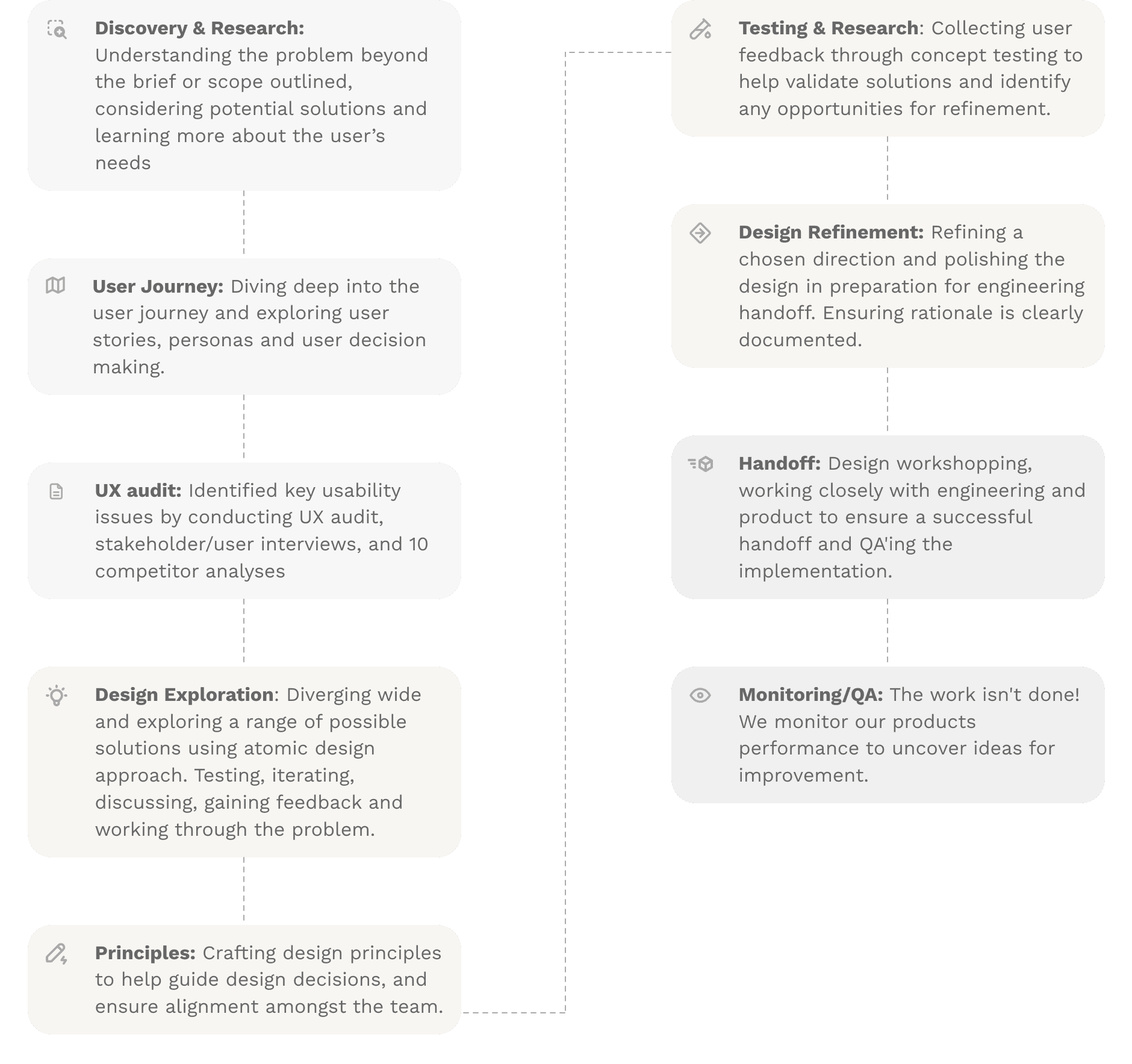
Led end-to-end design from research, discovery through final implementation reviews.
Defined solutions & strategy with cross-functional partners, aligning user needs, business goals, and tech constraints
Facilitated design workshops to align the team on each usability issue to prevent scope creep.
Collaborated with engineers to refine edge cases and reduce design debt.
Produced the final prototypes and design proposal presentation deck.
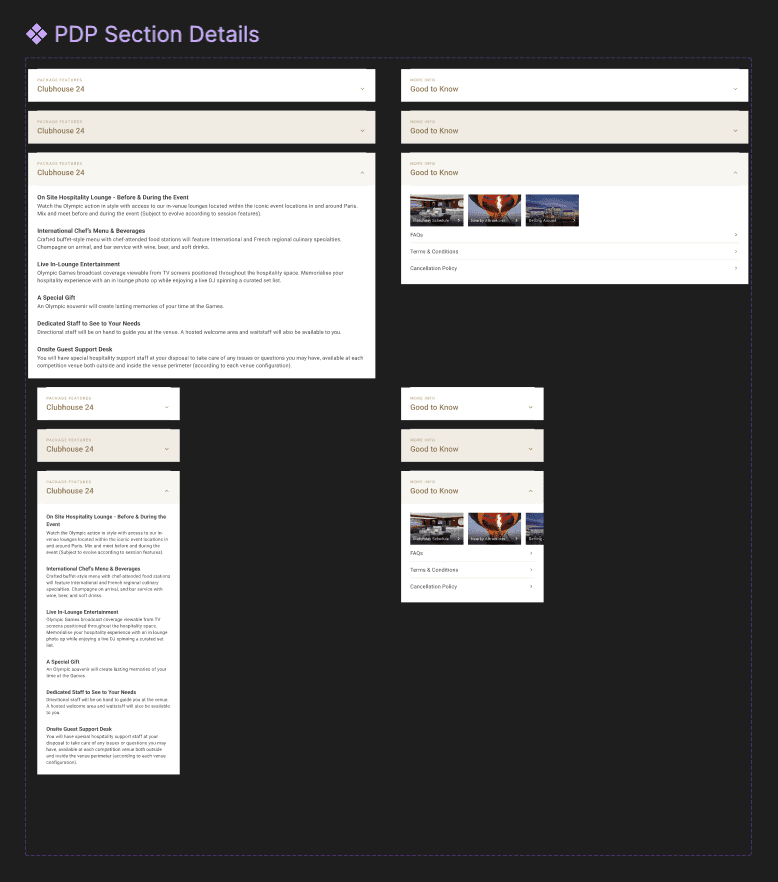
designed a library of 60+ Responsive Components, its variants, & variations
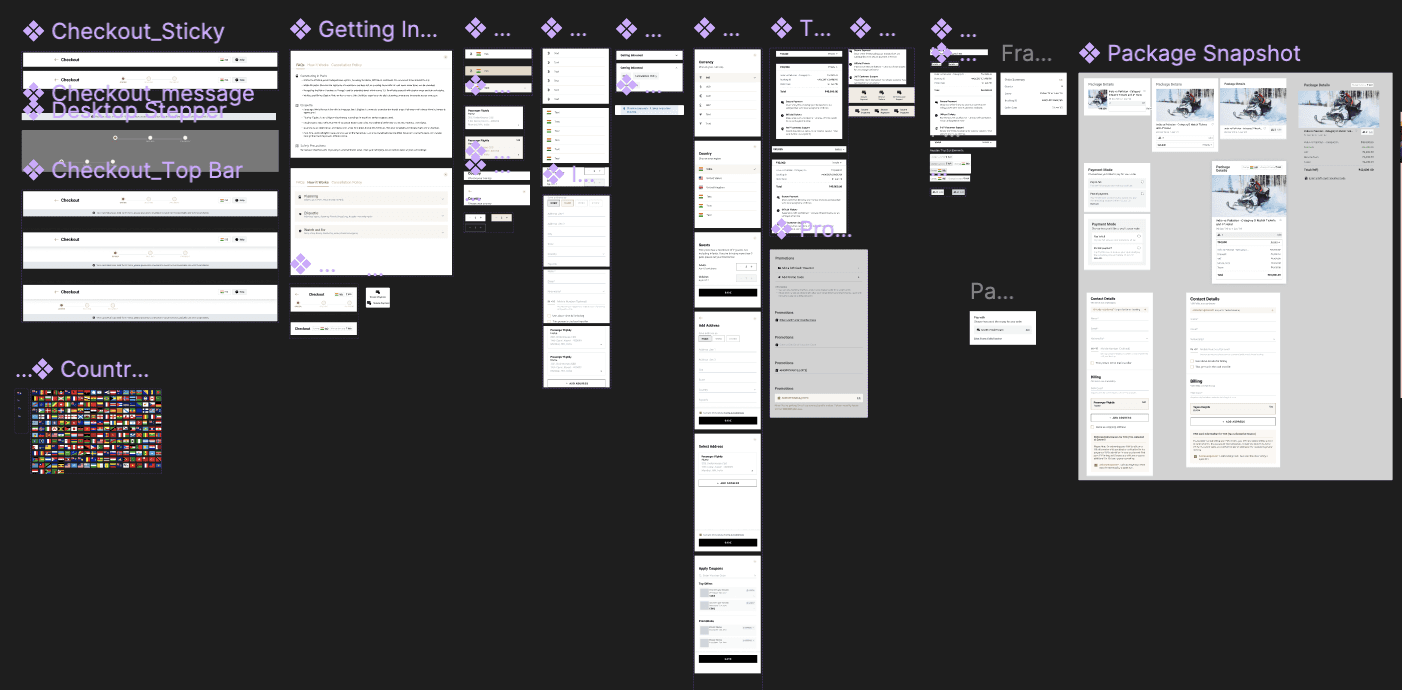
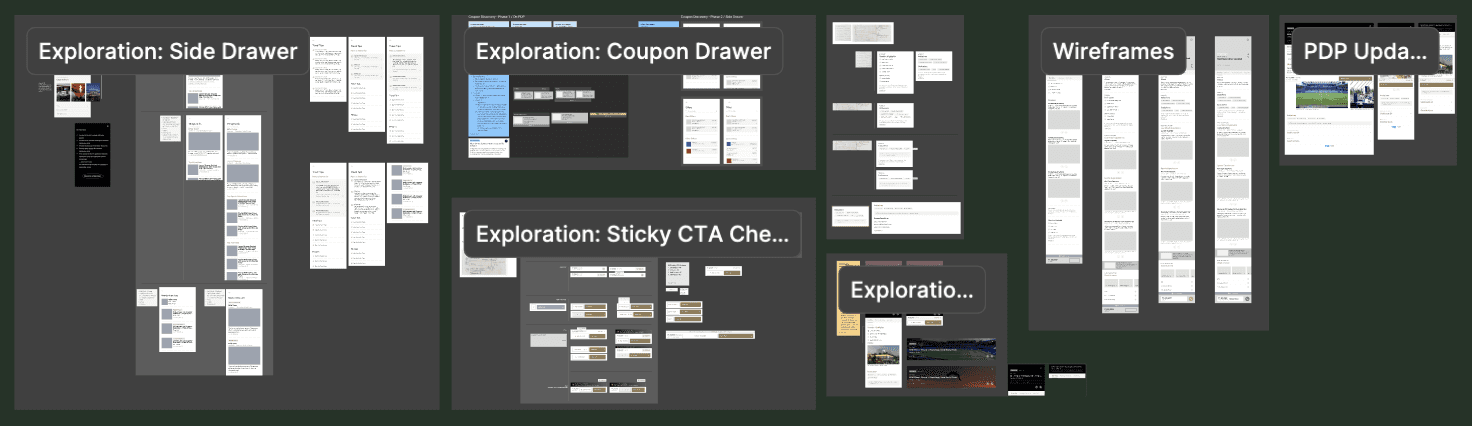
design solutions
Microsite Redesign of key elements


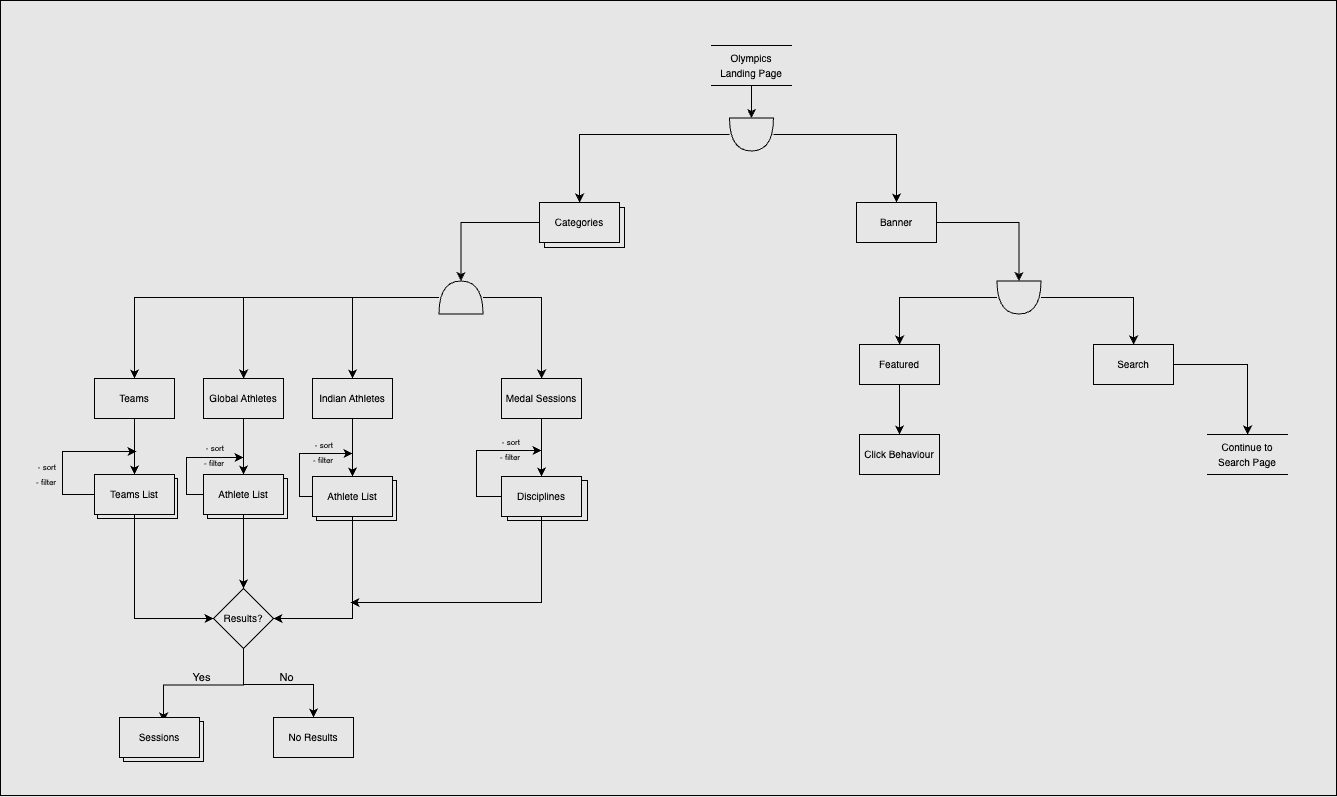
Highlighted top disciplines, venues, athletes, medal sessions on the landing page
Listing pages with modular card components to display information allowed flexibility and consistent design
Microsite landing page enhancements
Enquiry FAB
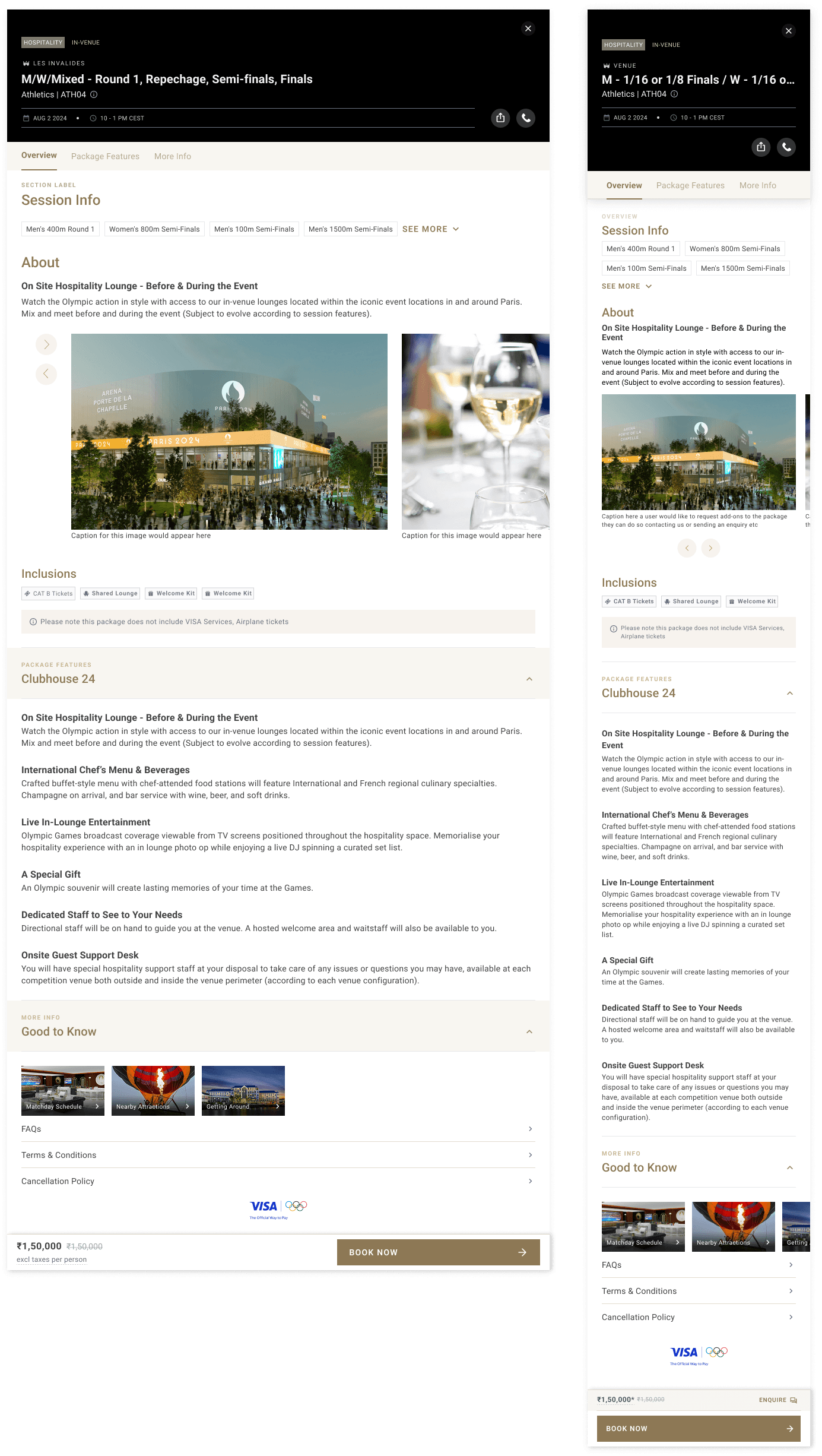
PDP addition
Search filter
Modals with accordions, tabs
Sessions PDP
b. Checkout flow
I restructured the checkout flow by clarifying steps, improving form usability, and reducing cognitive load so users could book their packages more seamlessly.
c. Updated Navigation
Consolidated nav bar with search contact and a menu that accommodates featured events and other hot links
process
user maps
user stories
To understand professionals with families (biological and/or non-biological), their routines, concerns, struggles and goals, 16 individuals (both clients and also stakeholders) were interviewed. Some core user stories are as below,
As a first-time user, I want to be able to...
... to discover featured content so I can explore the most exclusive fixtures
scope of featured content
Fixture / session
Event / sport
Enquiry callout
Pre-filtered listing page callout
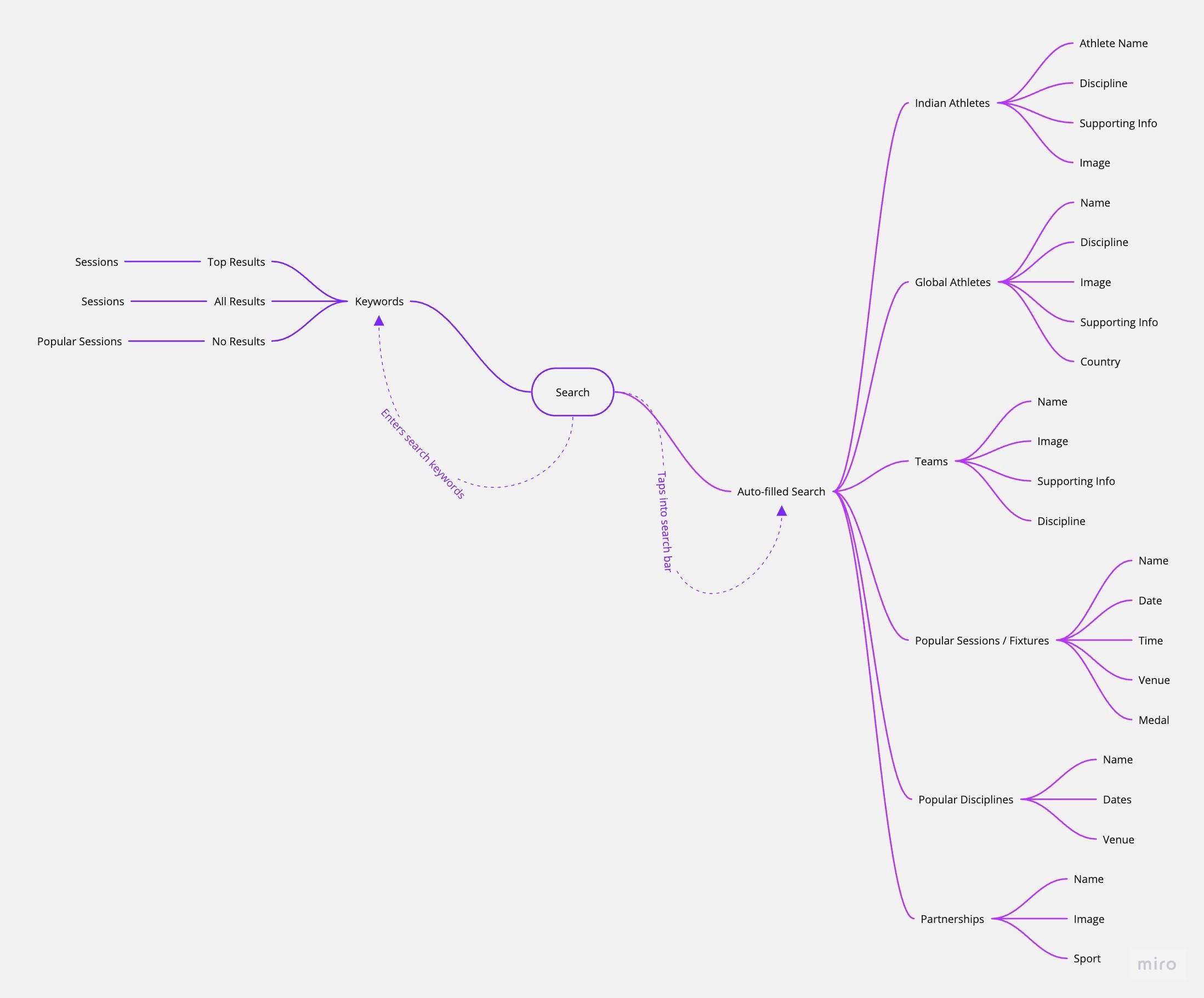
... easily find information on the location, dates, sports, and athletes, to make an informed decision about which event to attend
scope of discovery for quick information
Category tags on fixtures/sports leading to page listing of results
… see elements of authenticity on the site so I can make my purchases without any anxiety
core aspects that help build customer trust & showcase authenticity
Payments, user data disclaimers, guaranteed tickets, prompt query response, ratings/reviews, branded elements
As a first-time user, I want to be able to...
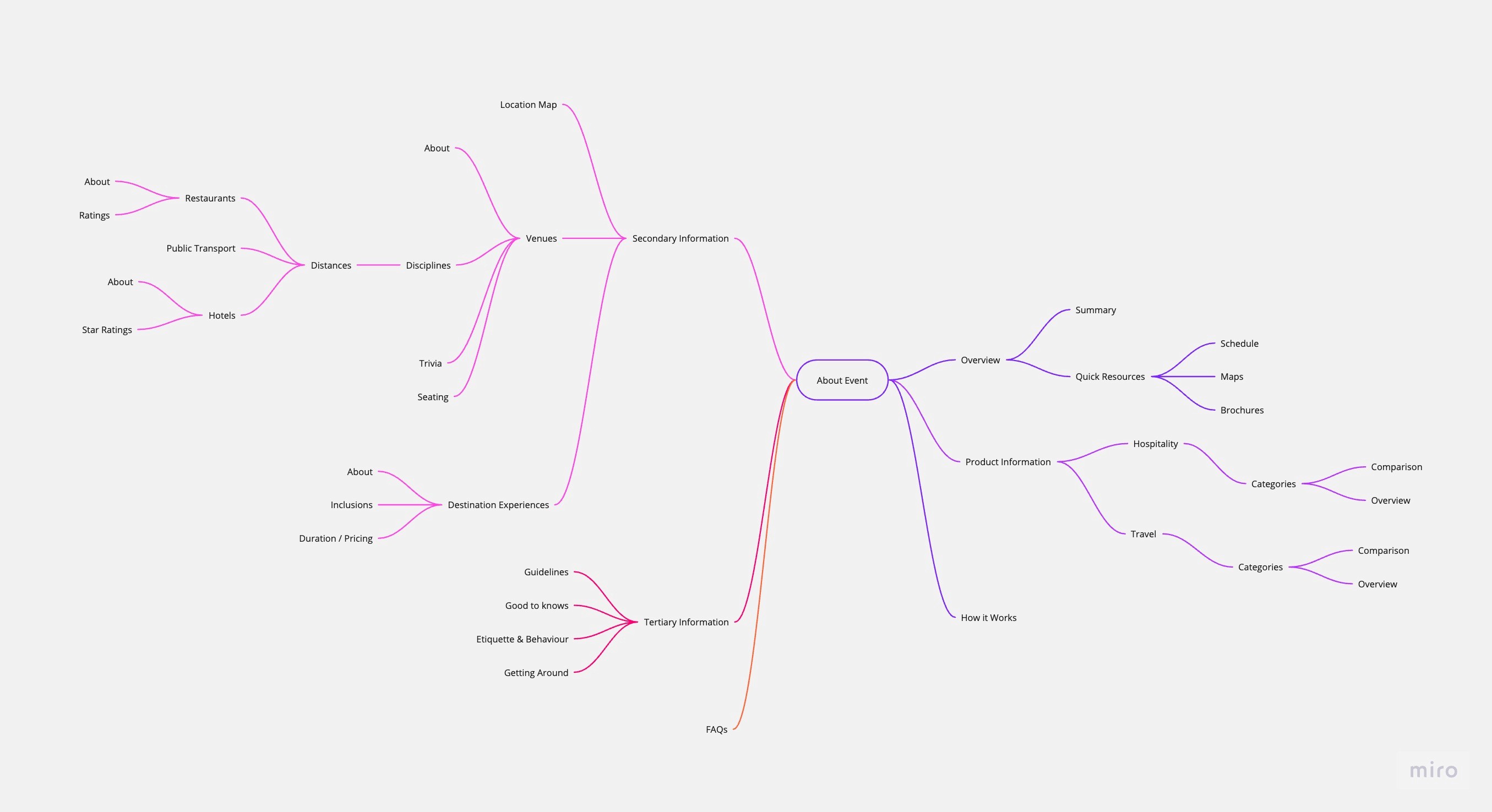
... easily access information about the event location, such as directions, parking options, and nearby accommodation, so that I can plan my trip and have a smooth experience
details relevant to understanding products & services
Overview of the tournament, different types of products on offer, elaborate sub-categories, Paris 2024 location map, hotels, venues, quick links, getting around, faqs
... quickly make purchases on available tickets and packages
scope of discovery for quick information
Provide a checkout flow
challenges
Our existing infrastructure was only built for static and information purposes, not for interactive experiences. Bookings could only be made by contacting sales
Required flexible and adaptable design to accommodate an undefined release timeline of brand assets and guidelines
The components needed to be scalable and accommodate updates to visuals and information
impact & learnings
Improved the clarity and usability of checkout and navigation, creating a smoother booking journey that supports higher conversion potential and reduces reliance on sales-team assistance.
Designing for flexible brand environments taught me how to build modular components that adapt to ongoing asset updates without compromising visual consistency or user experience.
Cross-team collaboration with product and engineering reinforced the value of early alignment and iterative check-ins to deliver efficient, dev-ready designs under technical constraints.